Orthognathic Surgery
Corrective Jaw Surgery
Corrective Jaw Surgery
At Phoenix Face Maxillofacial Surgery in Glendale, Arizona, board-certified oral and maxillofacial surgeon Troy Lam, DDS, MD, FACS provides comprehensive evaluation and treatment for adolescents and adults who may benefit from corrective jaw surgery. Corrective Jaw Surgery is one of the most complex procedures in oral and maxillofacial surgery, requiring extensive training and careful coordination with other specialists. Dr. Lam is uniquely qualified as both a physician and dentist, with advanced fellowship training in pediatric cleft and craniofacial surgery and extensive experience treating complex facial conditions. His multidisciplinary approach ensures every patient receives comprehensive, individualized care from diagnosis through recovery.
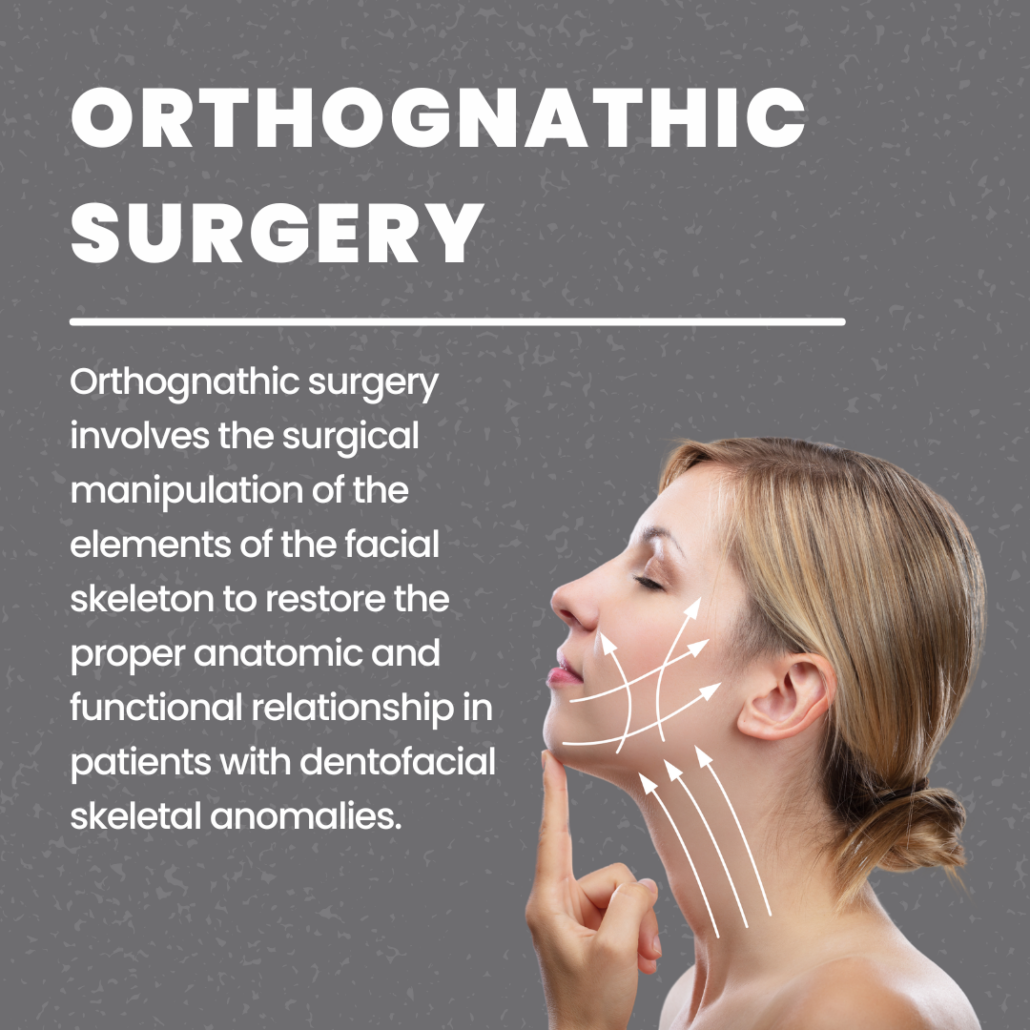
Corrective jaw surgery (orthognathic surgery) is recommended when the upper and lower jaws are not properly aligned and orthodontic treatment alone cannot correct the problem. While braces or Invisalign can straighten teeth, jaw surgery corrects the underlying position of the jaws to improve both function and facial balance.
You may be a candidate if you experience:
A comprehensive consultation with Dr. Lam will determine whether corrective jaw surgery is the best treatment option for your unique needs.
Successful orthognathic surgery is a team effort. Dr. Lam works closely with your orthodontist, general dentist, and other healthcare providers throughout every stage of treatment.
Using advanced diagnostic imaging and detailed surgical planning, we develop a personalized treatment plan designed specifically for your anatomy and goals. Throughout your journey, our team will guide you through each phase of treatment, ensuring you understand what to expect from consultation through recovery.
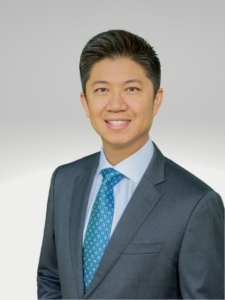
Troy Lam, DDS, MD, FACS
Board-Certified Oral & Maxillofacial Surgeon
Advanced Pediatric Cleft & Craniofacial Surgery Fellowship Training
Experience with complex orthognathic and craniofacial conditions
Recovery varies for every patient, but most patients spend one to two nights in the hospital before returning home. Swelling is expected during the first several weeks and gradually improves over time.
During recovery, patients will:
Many patients return to school or work within two to five weeks, with complete healing and final bite refinement continuing over the following months.
Most corrective jaw surgery is performed through incisions inside the mouth, leaving little to no visible facial scarring.
Many orthognathic procedures are considered medically necessary when they correct functional problems such as chewing difficulties, airway obstruction, or severe bite discrepancies. Our team can help determine your benefits and assist with the insurance process.
Jaw surgery is commonly performed after facial growth is complete, typically in the late teens or adulthood. Many adults in their 20s, 30s, 40s, and beyond successfully undergo corrective jaw surgery.
Treatment often includes orthodontic care before and after surgery. While every case is different, the complete treatment process generally spans 12 to 24 months.